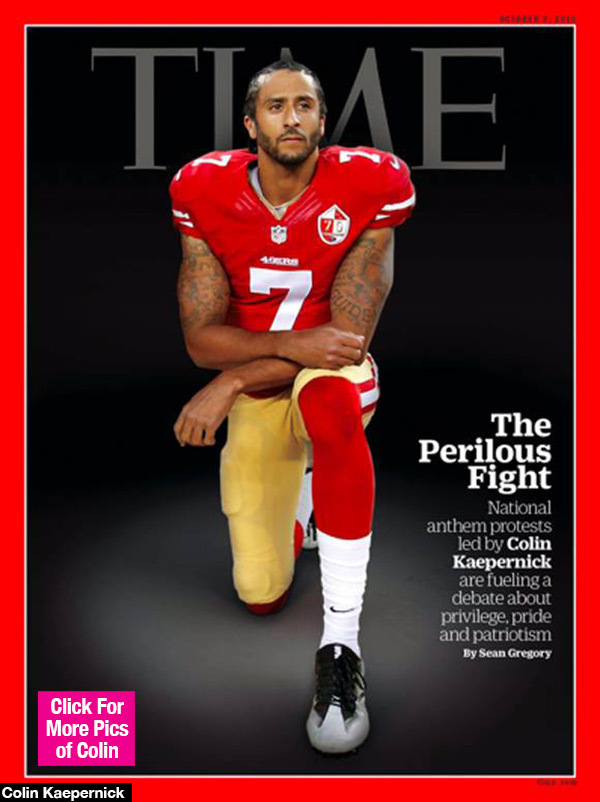
This is San Francisco 49ers quarterback, Colin Kaepernick. Mr. Kaepernick and his newsworthy actions are perhaps the best indicator that fan engagement in sports is a two way street, and has evolved into such. Social media has given the average fan much more access into the celebrity and athlete’s personal lives than ever before. Typically, fan engagement is viewed from the stance of the fan (greater access, representation, information). On the other hand, athletes, celebrities, and other people with larger platforms are beginning to understand that relationship, and flipping it. As the connection between fans and athletes has grown, it has given the athlete a much larger platform than ever before. In the case of Kaepernick, his protest toward the national anthem represents his personal quest for social justice and equality. Without the modern day athletes ability to instantly broadcast a message and the budding connection between them and their fans, Kaepernick would not have been able to build the platform with the support and opposition that he did. Using social media, athletes are now able to use various platforms to voice their opinion to a massive audience. We’ve seen a huge increase of athletes speaking out on political and cultural issues as a result. In the image above, Kaepernick the athlete graces the cover of Time, perhaps the most signature magazine still in circulation. Colin wasn’t placed on the cover because of Time because of any athletic feat he accomplished (in fact his team is terrible), but rather the fan engagement and reaction he created.
Kaepernick and the Media Circus
 Fan Engagement in sports